
Nursing Home Help
Clear, independent guidance for choosing skilled nursing and memory care — without referral fees or sales pressure.
How to Choose a Nursing Home — With Clarity and Confidence
This guide helps families understand what truly matters when choosing a nursing home — including ratings, inspections, staffing, and common red flags — during an often rushed and overwhelming time.
Why Nursing Homes Are Different
Unlike assisted living facilities, nursing homes provide 24-hour skilled nursing care for people who have complex medical needs, require rehabilitation, or need hands-on assistance with most daily activities. Because of this higher level of care, choosing a nursing home is a very different decision — and one that requires looking beyond appearances or amenities.
•Medical needs are more complex and require licensed nursing staff on site at all times
•Care is governed by strict federal and state regulations, inspections, and enforcement
•Families must evaluate clinical care quality, not just environment or reputation
•Medicare and Medicaid coverage rules often affect length of stay, services, and options
You're Not Alone in This
Choosing a nursing home often happens during stressful and unexpected moments — after a hospital stay, during a health crisis, or as a loved one’s needs change. Feeling overwhelmed or unsure is common, especially when decisions need to be made quickly. This guide was created to help you focus on what truly matters. You’ll learn how to evaluate nursing homes more objectively, recognize potential red flags, and ask the right questions — so you can move forward with greater clarity and confidence.
This guide was created to help you focus on what truly matters. You’ll learn how to evaluate nursing homes more objectively, recognize potential red flags, and ask the right questions — so you can move forward with greater clarity and confidence.
What This Guide Covers
What to look for, what to question, and what to take seriously when evaluating nursing home care.
Ratings & Inspections






Learn how to interpret government ratings and inspection reports — and understand their limitations when evaluating real-world care quality.
Staffing Standards
Understand staffing levels, qualifications, and supervision — and why staffing patterns are often the strongest indicator of daily care quality.
Nutrition & Care
What nutrition, hydration, and daily care practices can reveal about a facility's ability to meet complex medical and functional needs.
Red Flags
Common warning signs that may not appear during tours, but often surface shortly after admission.
Dementia Care
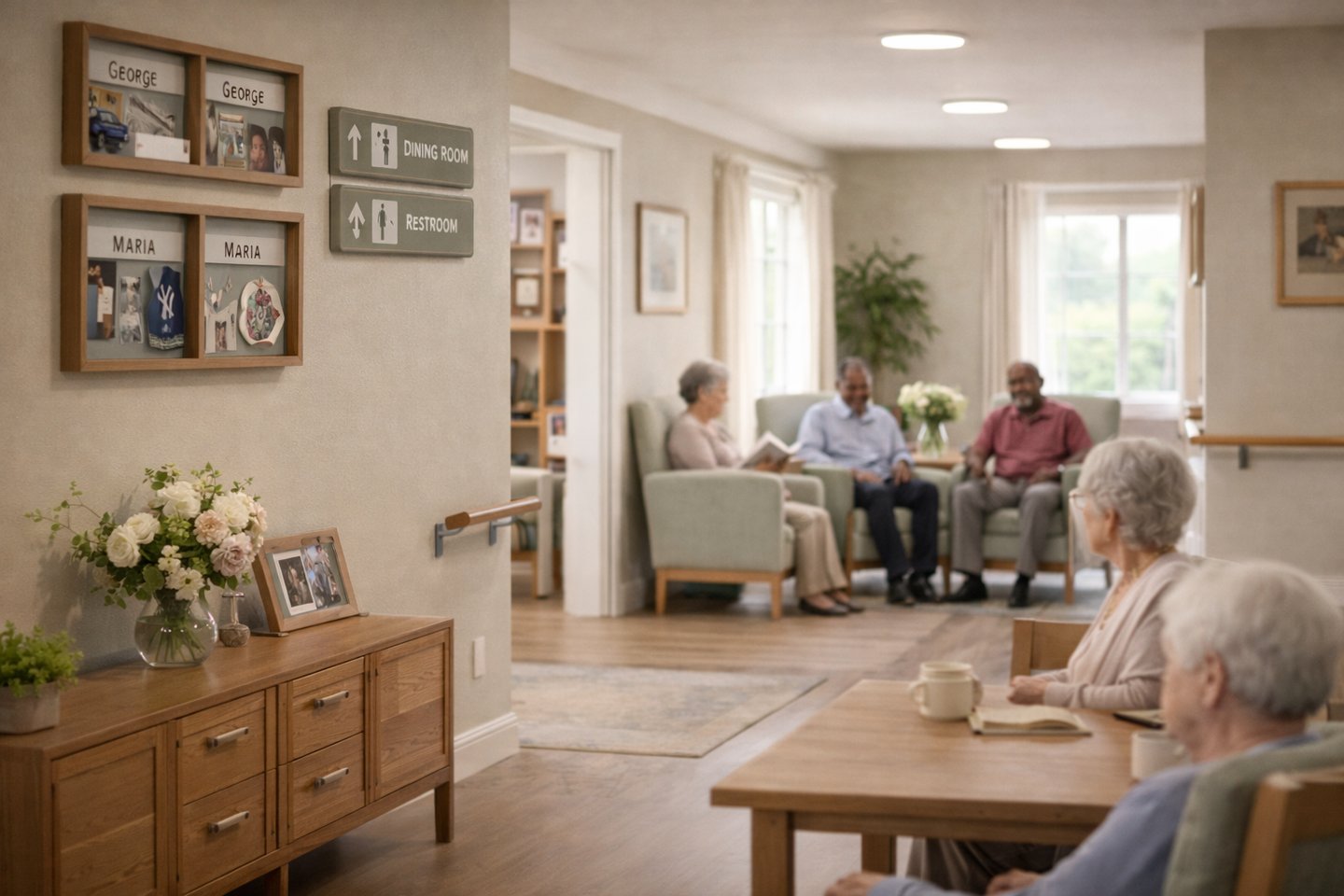
Specialized considerations for memory care units and dementia-specific programming.
Questions to Ask
Essential questions to ask administrators, staff, and current residents during your visit.
Ready to Get Started?
Begin with our comprehensive guide on how to choose a nursing home, covering everything from initial research to final decision-making.
Stay Informed
Get calm, clear guidance straight to your inbox
Contact
support@thenursinghomeguide.org
© 2025. All rights reserved.
Important Disclaimer: This website provides educational information only and is not intended as medical, legal, or professional advice. Always consult with healthcare professionals, legal advisors, and facility administrators when making decisions about nursing home care. The information presented here should not be used as a substitute for professional guidance tailored to your specific situation.
Clear, independent guidance for choosing skilled nursing and memory care — without referral fees or sales pressure.